
Cheapest Claude API Providers in 2026: Costs Compared
Published November 18, 2026
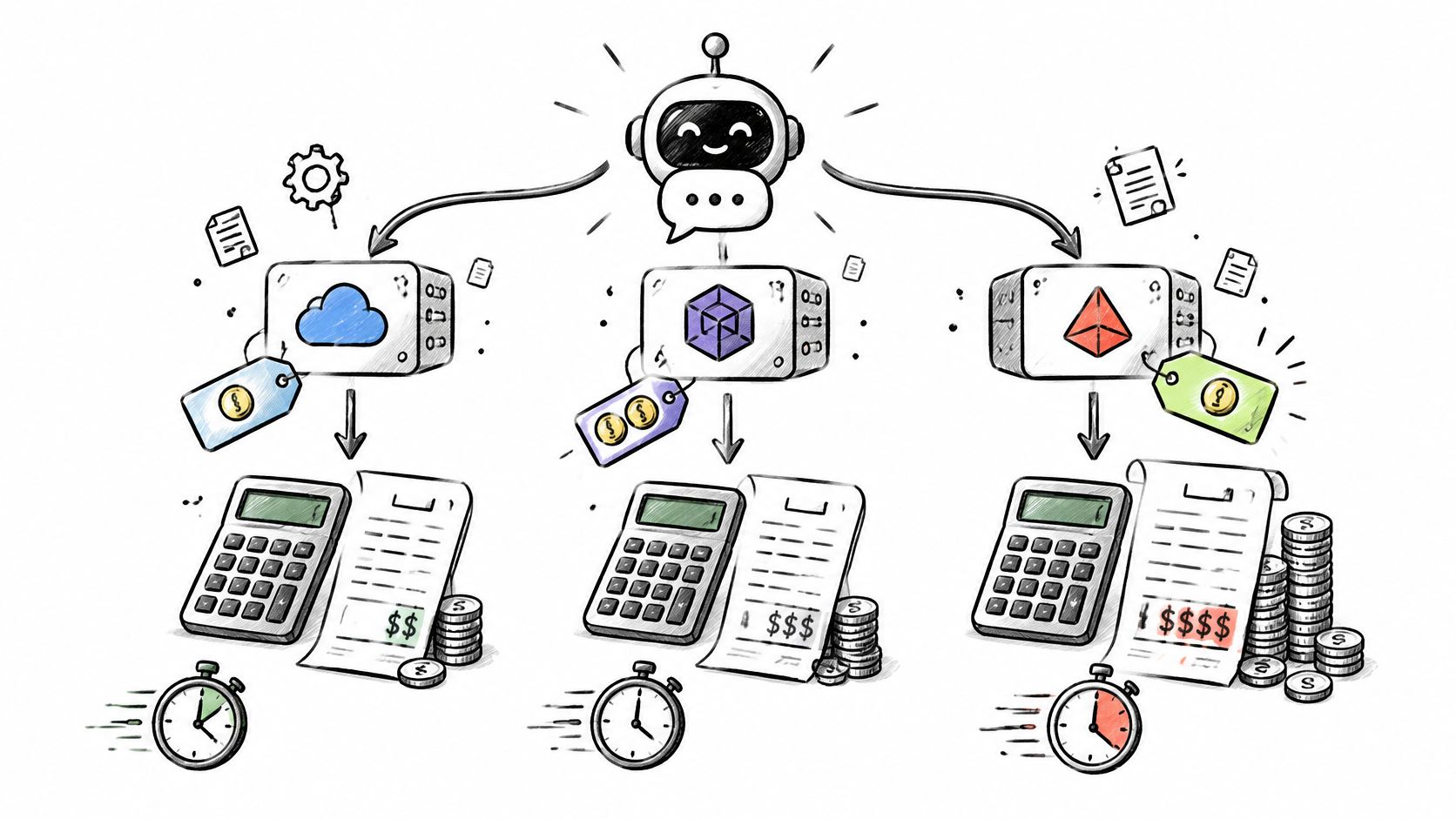
Say a team compares Claude routes on the single number every roundup puts in its headline, the price per million input tokens, and picks the winner. Six weeks later the invoice lands higher than the first-party quote they turned down, and nobody can point to the line that explains why.
The token rate was never the bill. What a UK team pays depends on the billing route the request travels, the fees layered on top of it, whether the workload tolerates an answer that arrives in ten minutes rather than ten seconds, and what a customer's procurement team will sign off. Change one of those and the ranking reshuffles.
This comparison of the cheapest Claude API providers is ordered by total cost for real workloads, not by sticker price. Expect familiar names to look worse than their headline rate and unglamorous ones to look better. Stating my bias up front: a route you can explain to a procurement team beats a cheaper one you can't, and this article is candid about where the published figures stop being comparable.
Table of Contents
- 1. UberLLM
- 2. Anthropic Claude API
- 3. Anthropic Batch API
- 4. Google Cloud Vertex AI
- 5. OpenRouter
- 6. Vercel AI Gateway
- 7. Amazon Bedrock
- 8. Poe API
- 9. Claude Platform on AWS
- 10. Claude Models on Google Cloud, Anthropic-managed
- 11. Claude in Microsoft Foundry
- How the cheapest Claude API providers compare on listed pricing, fees and best-fit use
- Choosing the Cheapest Route for Your Workload
1. UberLLM
Some routes are cheap because of a discount code. UberLLM is cheap because of how it buys. It runs an inference marketplace where third-party providers and sellers holding unused capacity compete for each request, and the router hands your call to the cheapest healthy seller for the model you named.
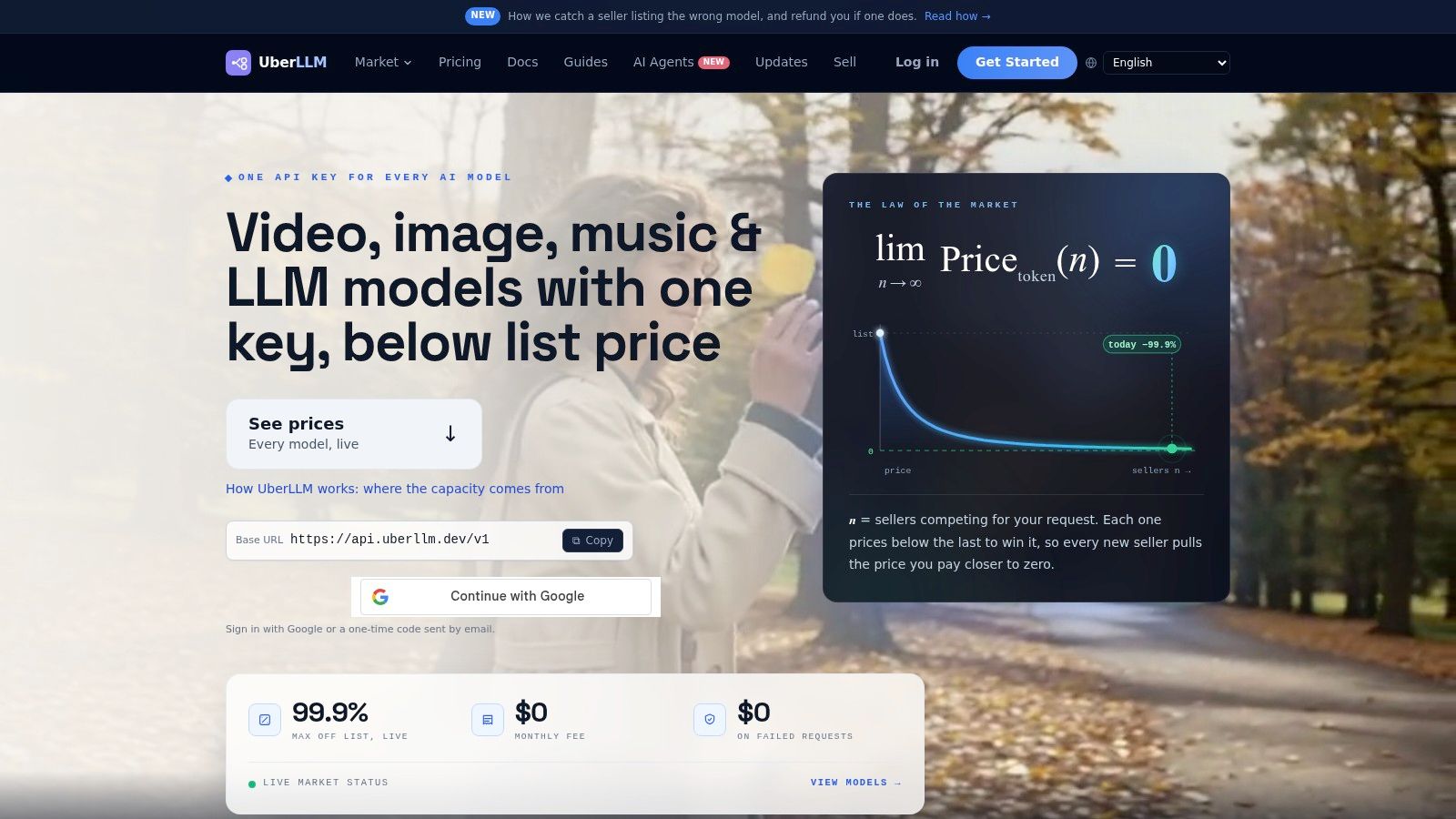
The commercial detail that matters is that marketplace pricing is real competition, not a promotional rate. Where spare capacity exists, the effective price can sit below published provider rates. Where it doesn't, you pay the going rate. That variance is the feature and the risk in the same breath.
What one key actually covers
- Model breadth through one endpoint. Claude, GPT, Gemini, DeepSeek, FLUX, Kling and Veo are reachable with a single key, with the model chosen by an identifier.
- Modalities beyond text. Image generation and editing, text-to-video and image-to-video, speech synthesis, music generation and sound effects all draw on the same balance.
- Async work handled properly. Streaming for text, plus polling and webhook callbacks for media jobs that take minutes rather than seconds.
- Evaluation before integration. A dashboard playground lets you compare outputs and adjust parameters before anything goes into production.
Where it fits and where it doesn't
Billing reflects provider charges with no separate request fee, no monthly minimum, and nothing charged for failed requests or generations. Card top-ups carry a disclosed 5.5% plus $0.50 fee, which is a payment cost rather than a per-token markup. Existing OpenAI and Anthropic SDK integrations keep their interface patterns; you change the endpoint, the credentials and the model identifier. Keys are scoped and revocable, requests are encrypted in transit, and the site states that customer traffic is used to serve requests rather than to train models. If you're consolidating three vendor balances and a dozen model families, start with UberLLM's Claude API pricing.
The trade-off: marketplace routing optimises for price and availability, not for pinning inference inside the UK. If a customer contract demands a named geography, that's a different conversation.
2. Anthropic Claude API
The first-party route is the baseline every other option in this list gets measured against, because nothing sits between your request and the model. Haiku 5.5 is listed at $0.10 per million input tokens and $0.50 per million output tokens for prompts up to 100,000 tokens on the Claude platform, the lowest straightforward per-token rate among the options here.
That 100,000-token ceiling matters. Rates step up once a prompt crosses it, so a long-context workload never sees the headline number. Prompt caching is the bigger lever for agent workloads: repeated system prompts and tool schemas are billed at a lower rate when served from cache rather than resent in full, which is where most of the savings hide for tools that reuse instructions on every call. Anthropic's pricing documentation lists the first-party API as global by default, so one endpoint covers wherever you deploy.
What you see is what you pay. No gateway fee, no markup layer, no minimum commitment. The flip side is that billing is card-based Anthropic spend only, which is where the listed price stops being comparable to the reseller and cloud-marketplace routes further down this list.
- Works well for: classification, extraction, routing and summarisation at predictable volume with a tight latency budget.
- Works badly for: teams that need a purchase order, a cloud commitment drawdown or one invoice covering several model vendors.
- Watch for: the Console billing setup takes minutes; uncached prompts and retry storms are what move the bill.
Practical rule: log provider, endpoint type, model, input tokens, output tokens and cache reads on every request. Without that breakdown you can't tell a cheaper provider from a cheaper month.
Published rates for Claude and the AI tools around it are gathered in the AI tool pricing research for 2026 if you want the wider market picture next to these numbers.
3. Anthropic Batch API
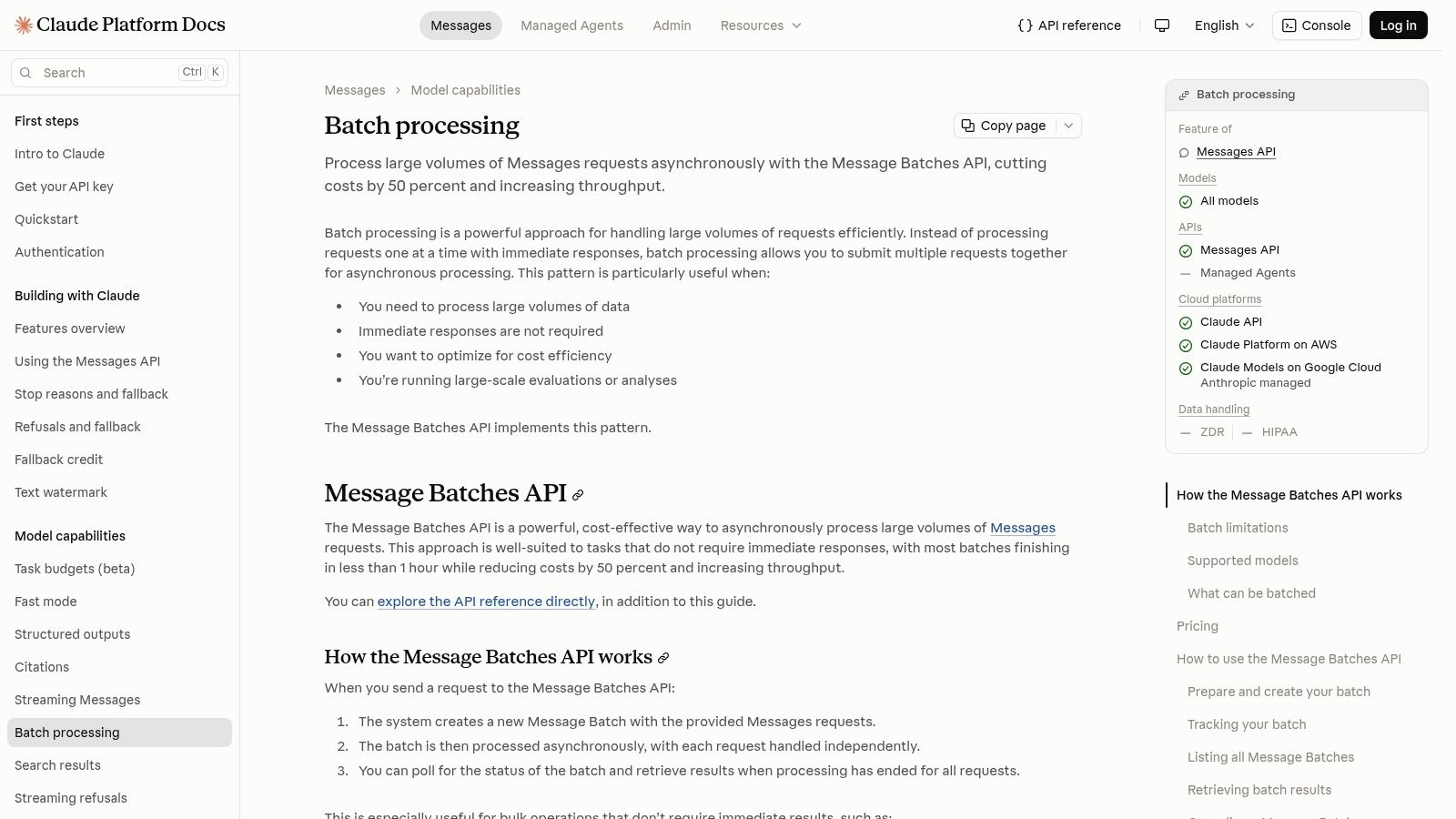
Half price, on one condition: you don't need the answer now. The Batch API applies a 50% discount to input and output token prices, putting Haiku 5.5 at $0.05 per million input and $0.25 per million output for prompts up to 100,000 tokens, according to Anthropic's batch processing documentation.
The workloads that qualify
Bulk classification of a support backlog. Extracting fields from ten thousand PDFs. Scoring a dataset you've been avoiding. Regenerating metadata across a whole catalogue. Queues of independent tasks where a result an hour later is worth exactly as much as a result in three seconds.
The ones that quietly don't
Interactive anything. A chat product, a live coding assistant, a fraud check at checkout. Teams convince themselves they can "just batch it" and discover the product feels broken.
- Cheapest documented route: for eligible work, nothing in this list undercuts it.
- No behaviour change: same models, same API, just asynchronous submission and polling.
- Real engineering cost: job tracking, retries and somewhere to store results, which is a week of work someone has to own.
The blocks of work that qualify are rarely the interesting part of a product, which is why batch gets skipped. That's a mistake when your monthly spend is dominated by reprocessing rather than by live traffic. If you're weighing a model upgrade at the same time, our Claude Sonnet 5.5 review covers the capability trade-offs.
4. Google Cloud Vertex AI
Google's managed route lists Haiku 5.5 at $0.11 per million input tokens and $0.55 per million output tokens for prompts up to 100,000 tokens on Vertex AI. That's a real premium over the first-party rate, and it buys infrastructure rather than tokens: Google Cloud billing, IAM, audit logging and a managed endpoint sitting next to the rest of your estate.
For a team already running Cloud Run and BigQuery under a committed spend agreement, the extra cents per million tokens can be the cheaper decision overall. For a team with no Google Cloud footprint, it's a tax on convenience.
- Stick with it if procurement already runs through Google Cloud and finance wants one invoice.
- Skip it if you're choosing on token price alone and don't need regional endpoint options.
- Verify first: which regional and multi-region endpoint types are available for the specific model you want, because they differ by model.
The list rate is not the negotiated rate. Committed-use agreements and enterprise discounts change the arithmetic, and no public comparison accounts for the deal you can actually sign.
Access and model availability depend on endpoint and region, and features can lag Anthropic's own platform by weeks. Test the exact call you plan to run in production before you pencil in a launch date.
5. OpenRouter
OpenRouter is usually the first gateway teams try, which is exactly why its bill gets misread. The pitch is practical: one API for Claude plus the other models you may want, with provider selection, routing and fallback already built.
The token side is easy to overrate. Claude usage passes through at provider rates with no inference markup stated, so the headline model price is not where the difference sits. The cost shows up around the edges: credit top-ups can carry a purchase charge, plan features gate some routing options, and every extra hop adds latency you either tolerate or engineer around.
What the fee buys
Fallback when a provider wobbles. Spend visibility that helps when three people share one account. A single key across models that would otherwise need separate integrations. For a prototype, an eval harness, or a product that swaps models, that convenience can be worth paying for.
What it does not buy
A lower Claude bill by itself. If Claude is almost all of your traffic and the other models are shelfware, the gateway becomes a second billing surface plus a second failure domain.
- Good fit: products that switch between models, or teams that want fallback without building it.
- Poor fit: single-model workloads where the invoice is the whole point.
- Check before committing: whether the regional routing and provider choice you need are available on your plan.
If the decision is really “which gateway,” not “which Claude route,” our roundup of unified API tools covers the wider field.
6. Vercel AI Gateway
If your app already deploys on Vercel, the gateway is the shortest path to a working Claude integration, and the pricing is deliberately unremarkable: paid gateway usage follows provider list prices with no token markup stated, and the free tier documents $5 per month in included credits on the AI Gateway.
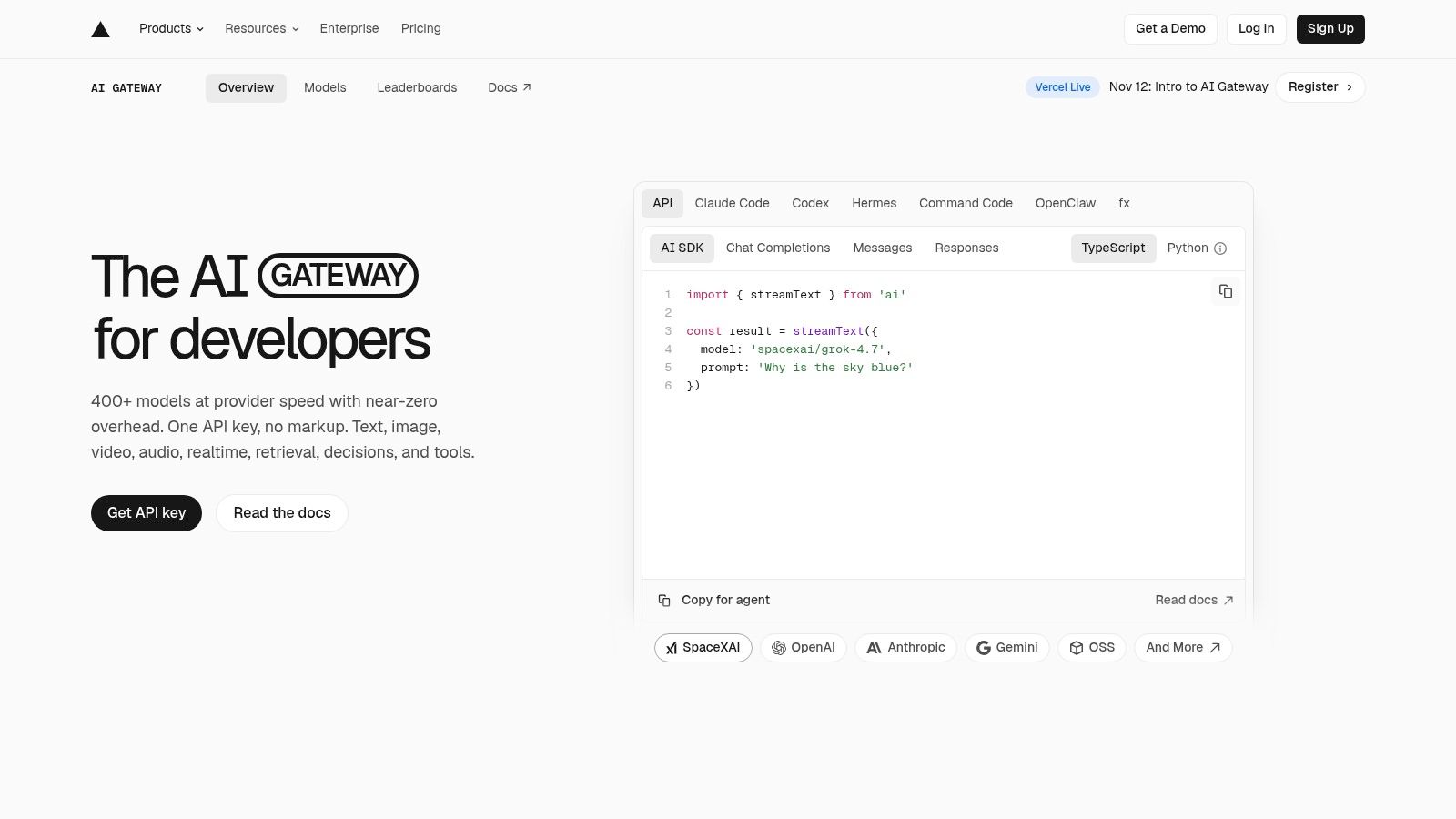
That credit is a testing budget, not a business case. It buys enough small completions to validate prompts and wiring. It won't carry a month of production traffic, and nobody at Vercel claims it will.
Reasons to use it anyway
- Same deployment surface. Keys, environment variables, logs and billing live where the rest of the app does.
- Fallback and monitoring. Provider failover and request visibility without opening a second dashboard.
- Bring your own key. You can keep provider accounts and route through the gateway only when it suits you.
The billing layer problem
Every gateway adds an account to reconcile. The trap is running three gateways for three models and losing track of which one produced a spike on a Tuesday night. One control plane, not four.
For many engineering groups, the honest read is that this is excellent plumbing and a negligible discount. You choose it for the environment, not the price, and provider rates and feature differences still apply underneath.
7. Amazon Bedrock
Bedrock is where the headline token price stops being the number you pay. Teams already running on AWS reach for it first, and the variable most roundups skip is the endpoint type, because it changes the rate before a single token is generated.
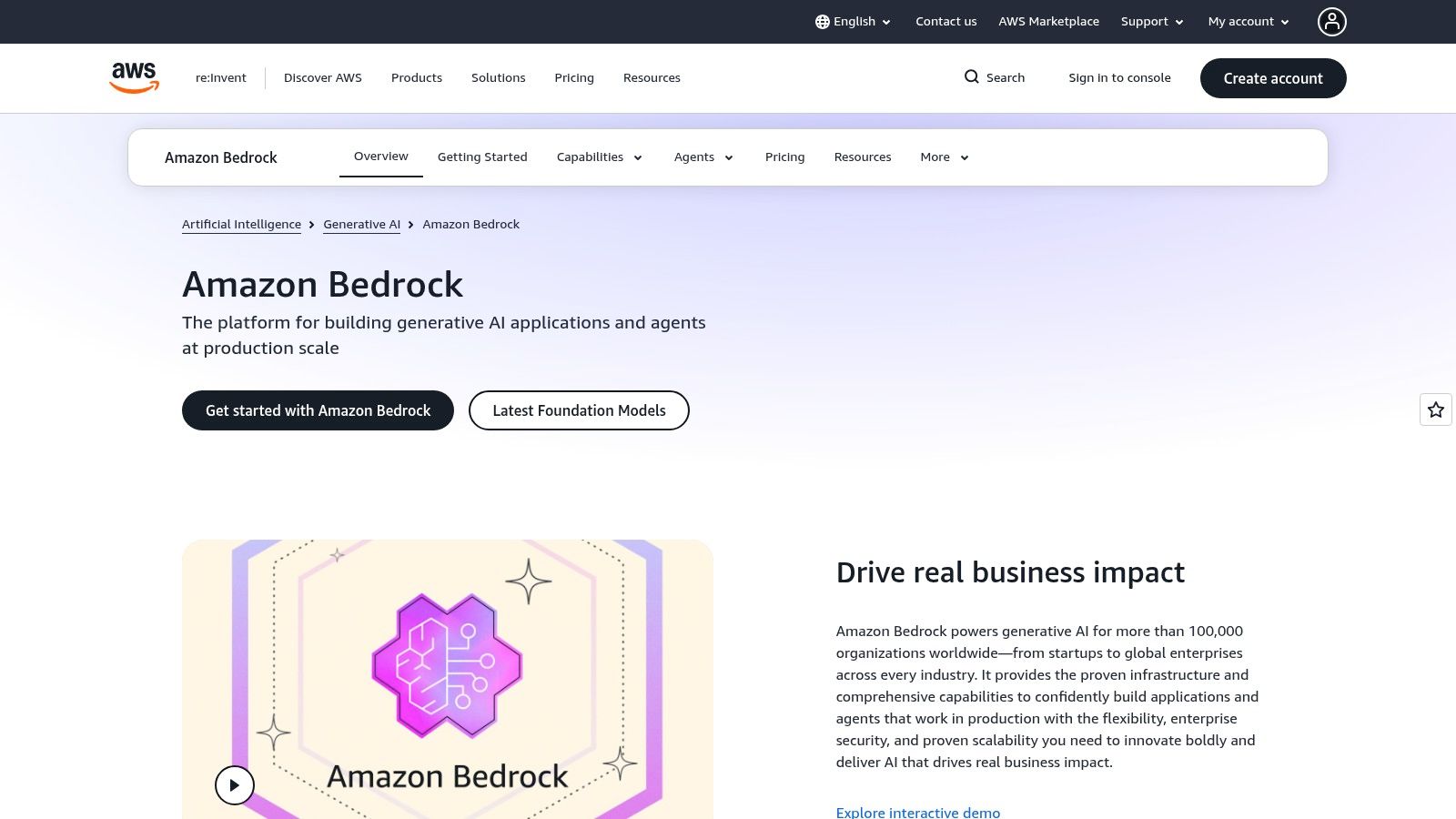
Bedrock offers Claude through global, EU and regional endpoint types, and Anthropic's pricing documentation sets out how each is priced: regional and multi-region endpoints carry a 10% premium over global endpoints. If a workload costs £100 on a global route after currency conversion, the same work on a regional endpoint runs about £110 before VAT, FX and any AWS infrastructure charges.
That premium isn't a rounding error at scale, and it's the figure most comparisons omit.
- Choose regional when a customer contract or your own governance requires inference inside a named geography.
- Choose global when it doesn't, and bank the difference.
- Check availability per model, because a model missing from your required region changes the architecture, not just the invoice.
Bedrock also offers batch inference at a discount for selected models, plus native IAM, audit logging and consolidated AWS billing, which is the procurement win when finance wants one vendor invoice instead of a new supplier relationship. Setup is heavier than a first-party key: roles, policies, model access requests. Amazon Bedrock repays that work if AWS is already your operational home.
Ask any provider whether it's quoting global, EU or single-region inference before you compare two numbers. They are not the same product.
8. Poe API
Poe is the odd line item in a Claude cost comparison: it can be the cheapest route on paper only if the subscription is already paid for and the points would otherwise sit unused. The Poe API exposes official Claude bots behind an Anthropic-compatible endpoint, so an existing integration can often switch by changing credentials, and eligible users can spend subscription points on calls before buying add-on points.
That setup removes a separate per-token account and a new billing relationship. It also hides the meter. Published throughput limits are roomy enough for evaluation and can still pinch a production burst; the bigger issue is that points do not map cleanly onto tokens, so a Poe rate cannot be set beside a Bedrock or gateway rate without a conversion test. Points may not roll over, and the subscription cost sits under every call whether traffic shows up or not.
- Reasonable for: prompt testing, demos, and a maker already carrying the subscription.
- Bad for: forecasting spend, because the unit of account is a point rather than a token.
- Reduce the risk: run a fixed batch of prompts, record points consumed, convert to a per-thousand-request figure, then decide.
Poe is a practical front door to Claude. Treat it as a convenience layer with a bundled subscription, not as the place to optimize marginal token cost.
9. Claude Platform on AWS
This one confuses people, so be precise: Claude Platform on AWS is operated by Anthropic and accessed with AWS credentials, with billing through AWS Marketplace. It is not Amazon Bedrock, even though both answer to AWS.
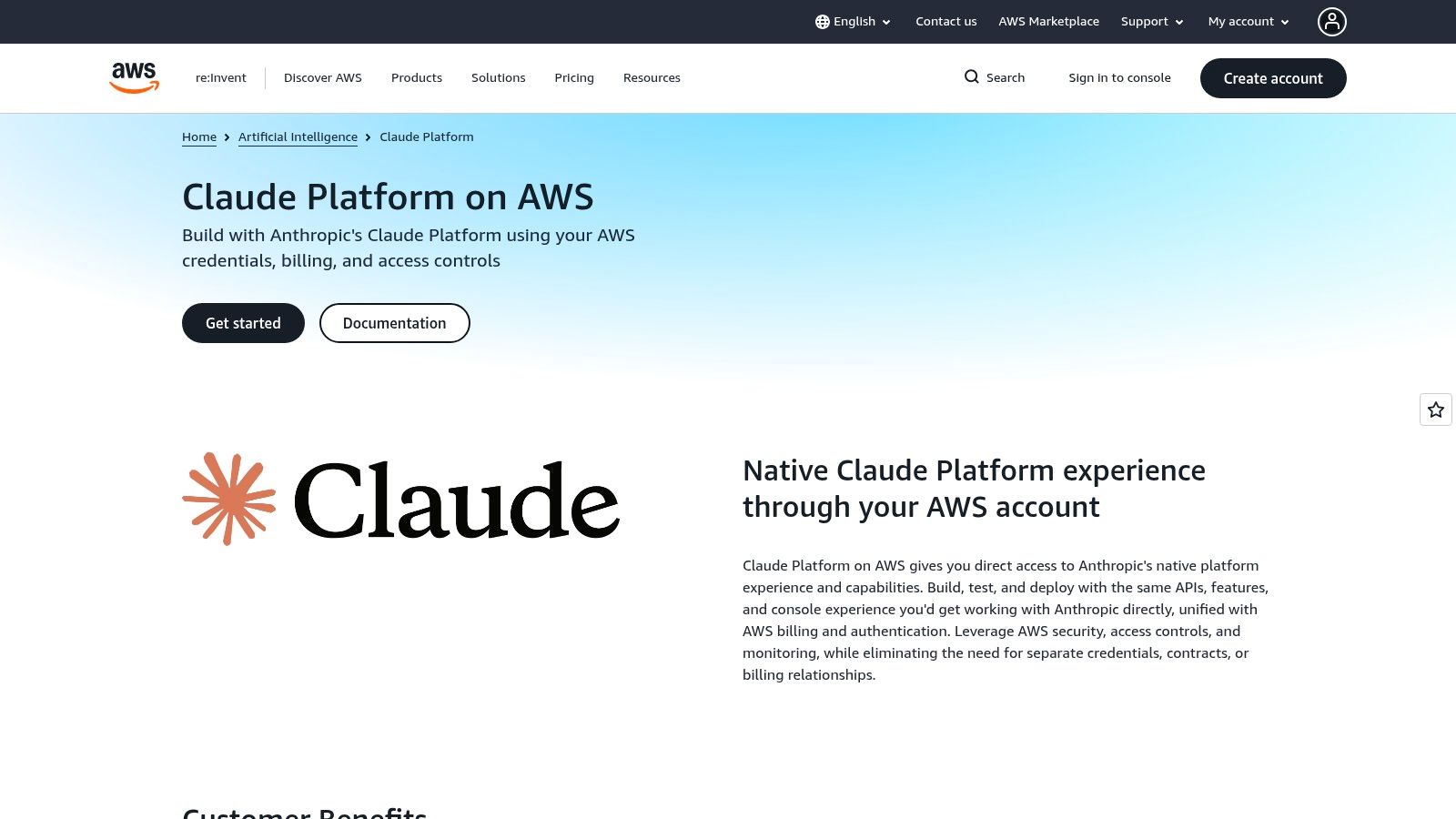
Anthropic prices it the same as the direct Claude API. You get standard token rates, Anthropic's platform features, IAM-based access and a consolidated AWS invoice. What you don't get is a discount, and that's fine, because the saving was never the point.
The case for it
- One invoice. AWS spend commitments and Marketplace billing absorb Claude charges without a new vendor relationship.
- Access control. Existing IAM roles and policies govern who can call the API and what they can do.
- Full platform. You're on Anthropic's platform, not a reduced port of it.
The catch nobody mentions
Data processing isn't necessarily kept entirely within the AWS boundary, which matters if your security questionnaire assumed it was. Verify the architecture rather than trusting the logo on the invoice.
Procurement rule: when two routes publish identical token prices, stop comparing prices and start comparing invoices, access control and paperwork.
Setup is more involved than a Console key. For a team already reconciled to AWS, Claude Platform on AWS removes a vendor and adds no line to the price sheet.
10. Claude Models on Google Cloud, Anthropic-managed
Google Cloud offers Claude two ways, and the distinction is worth understanding before you sign anything. Google-managed models run on Vertex AI infrastructure. The Anthropic-managed option runs Anthropic's API while Google Cloud provides the access path and the bill.
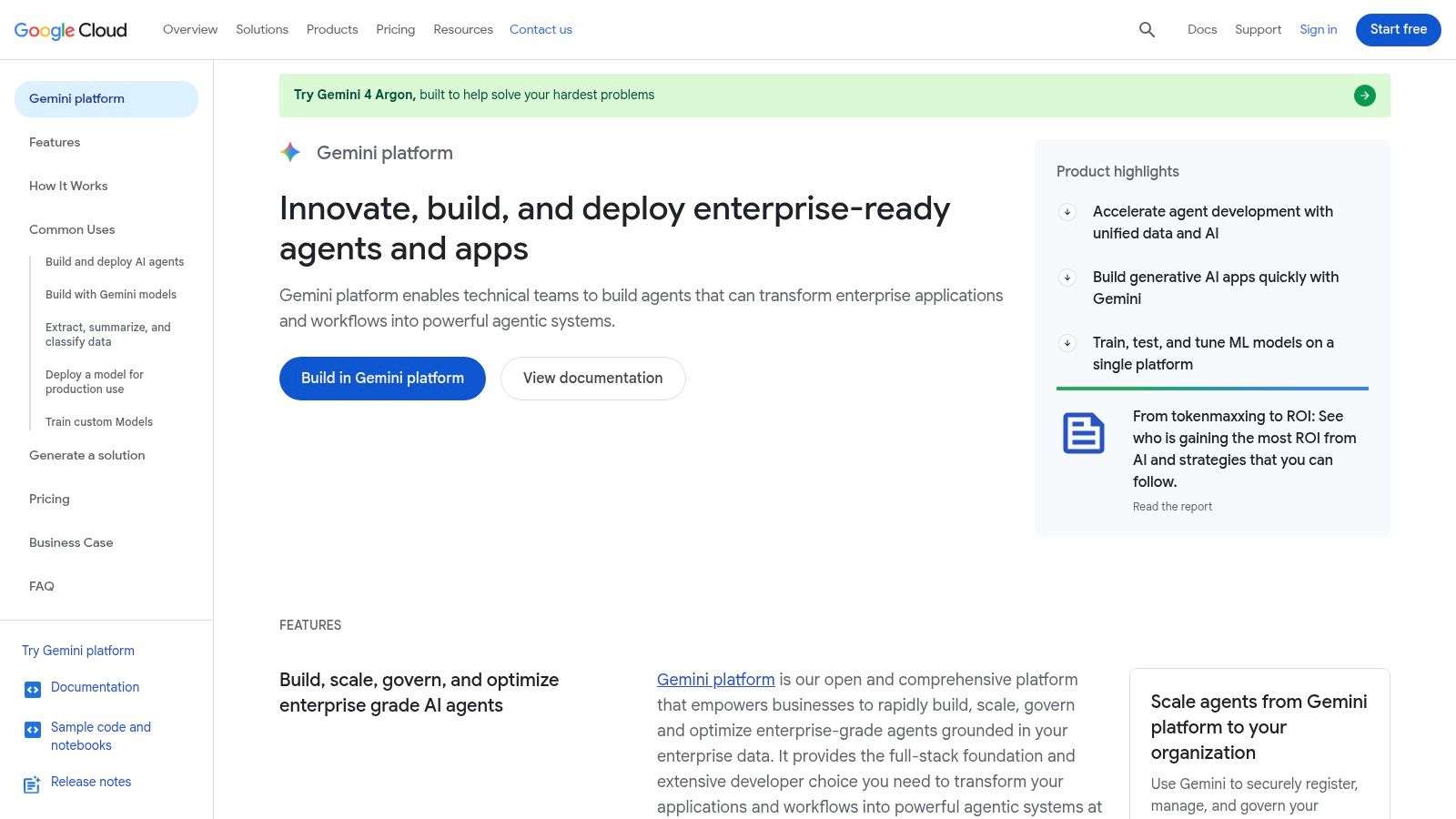
Pricing is standard Claude pricing rather than a discount, so the decision rests on procurement rather than cost per token. If your organisation buys through Google Cloud, this route keeps Claude inside that relationship without routing through an unofficial proxy.
The residency premium you should know about
Anthropic documents that US-only inference for Claude 4.6-and-later models costs 1.1 times standard pricing, and that the same pricing applies across the first-party API and the AWS and Google Cloud deployments Anthropic manages, per the data residency documentation. That reshapes the question. A cheaper nominal route which can't say where inference happens stops being cheaper the moment a regulated customer asks.
- Verify model and endpoint support for your intended region before you quote a launch date.
- Expect feature drift against the direct API, and test the features you depend on.
- Price the guarantee, not just the tokens.
Vertex AI carries both options, which is why the product name alone tells you very little about what you're buying.
11. Claude in Microsoft Foundry
For Azure shops, Foundry is the tidy answer: Claude behind Azure-native endpoints and authentication, billed through Azure Marketplace, visible in Azure Cost Management alongside everything else.
Anthropic documents billing in Claude Consumption Units, rated at standard Claude model prices unless a negotiated discount applies. Consumption-based, postpaid billing means no prepaid balance to top up, which removes a recurring annoyance and one class of cash-flow surprise.
What it solves
- Procurement fit. Azure commitments absorb the spend, and the security review already happened.
- Administration. Same tenant, same identity provider, same cost centre tags as the rest of your estate.
- No prepaid float. You're invoiced for what you used.
What it doesn't
It publishes no default token discount, and deployment types and features can differ from the direct API, so a model you know well may behave differently under a different endpoint. The additional Azure setup is real work, not a checkbox.
Microsoft Foundry is the right choice when the constraint is organisational rather than financial. Choosing it to save money on tokens is choosing it for the wrong reason.
How the cheapest Claude API providers compare on listed pricing, fees and best-fit use
| Item | Pricing basis | Haiku 5.5 listed rate | Extra fees or limits | Best for |
|---|---|---|---|---|
| UberLLM | Provider charges through prepaid balance; marketplace routing | No fixed rate listed; varies by seller | Card top-ups: 5.5% + $0.50; no monthly fee; $5 minimum top-up; failed requests are free | Multi-provider access, seller routing, and flexible model use |
| Anthropic Claude API | Pay-as-you-go per token | $0.10/M input; $0.50/M output, up to 100K-token prompts | Rates rise above 100K tokens; requires Console and billing setup | Direct, straightforward Claude access |
| Anthropic Batch API | Asynchronous per-token pricing | $0.05/M input; $0.25/M output, up to 100K-token prompts | 50% discount; delayed results, not for interactive requests | Bulk and offline workloads |
| Google Cloud Vertex AI | Google Cloud billing per token | $0.11/M input; $0.55/M output, up to 100K-token prompts | Availability and features vary by region and endpoint | Teams already using Google Cloud |
| OpenRouter | Provider token rates through a unified API | From $0.10/M input; $0.50/M output, subject to provider and prompt tier | 5.5% fee on Standard credit purchases; regional routing depends on plan | Applications using multiple models or providers |
| Vercel AI Gateway | Provider list prices through a unified gateway | No separate rate listed; provider pricing applies | $5/month in free-tier credits; limited; no token markup stated for paid use | Prototypes and applications hosted on Vercel |
| Amazon Bedrock | AWS billing; model- and deployment-dependent | No rate listed | Regional availability varies; eligible models may have batch pricing | Products integrated with AWS |
| Poe API | Subscription or add-on points | No per-token rate listed; point consumption varies | 500 requests/minute; subscription and point costs affect effective price | Experimentation or users with existing Poe points |
| Claude Platform on AWS | Standard Anthropic token rates via AWS Marketplace | Standard Anthropic rates; no separate rate listed | Requires AWS setup; no lower list price than direct API | Organisations consolidating billing through AWS |
| Claude Models on Google Cloud, Anthropic-managed | Standard Anthropic pricing via Google Cloud access and billing | Standard Anthropic rates; no separate rate listed | No inherent discount; verify regional endpoint support | Organisations with Google Cloud procurement needs |
| Claude in Microsoft Foundry | Consumption-based, postpaid billing at standard Claude rates | Standard Claude rates unless a negotiated discount applies | Requires Azure setup; features and deployment options may differ | Azure teams seeking consolidated administration and billing |
Choosing the Cheapest Route for Your Workload
Three questions decide this, and none of them is "what's the token price". How much latency can the workload tolerate? What shape is the volume, steady or spiky? Where does your cloud spend already sit? Answer those and the shortlist usually collapses to two options.
Latency tolerance is the biggest lever. Anything asynchronous qualifies for batch pricing, and that discount is worth more than shopping around for a different vendor. Interactive work doesn't qualify, so don't model a batch saving into a chat product's unit economics and then wonder why the first real month came in high.
Volume shape decides whether a marketplace or a direct route wins. Spiky, multi-model traffic benefits from a router that hunts for spare capacity. Steady, single-model traffic benefits from a first-party rate and a short invoice. Your cloud estate decides the rest, because a route that consolidates billing you already pay for beats a route that adds a vendor to reconcile.
Model a month before you commit
Take twenty to fifty representative prompts, run them through two or three routes, and count cost per accepted answer rather than cost per token. Log input tokens, output tokens, cache reads, retries, failures, latency and any human rework. A route that is 8% cheaper per token and generates 15% more rework is not cheaper, and your test will show that in an afternoon.
For UK teams this discipline matters more than it used to. The UK government's 2025 AI adoption research reports that, among UK organisations already using AI, 85% use natural-language processing and text-generation applications. That's exactly the workload profile where caching, volume and latency dominate the bill, and where a blended cost per completed task tells you far more than an input-token rate.
Price the requirements, not just the tokens
Add the layers back in before you decide. A credit-purchase fee is a real cost at £5,000 a month. A regional endpoint premium is a real cost at scale. Legal review of a new vendor is a real cost, once. A cloud commitment you've already signed can make the apparently expensive list price the cheaper decision.
Then choose by workload and stop re-litigating it. Interactive product surfaces want the first-party API or a gateway close to your platform. Bulk reprocessing wants batch. Multi-model experimentation wants a marketplace router. Regulated customers want the route that can name where inference happens, priced fairly and documented for the questionnaire.
The cheapest Claude API providers in 2026 aren't the ones at the top of a price table. They're the ones whose bill you can explain, line by line, to the person who signs it.
If you're shipping an AI product and want distribution while you iterate on pricing, submit it to Launch Llama Tools. A free listing costs $0, needs no credit card and gives you a directory listing plus a product page. If you want more reach, the Pro package at $149 is a one-time payment that submits your product to 60 directories, and Instant Launch at $39 adds a permanent dofollow link with guaranteed Search Console indexing.